
Heating System Repair
HEATING SYSTEM REPAIR IN La Puente, CA.
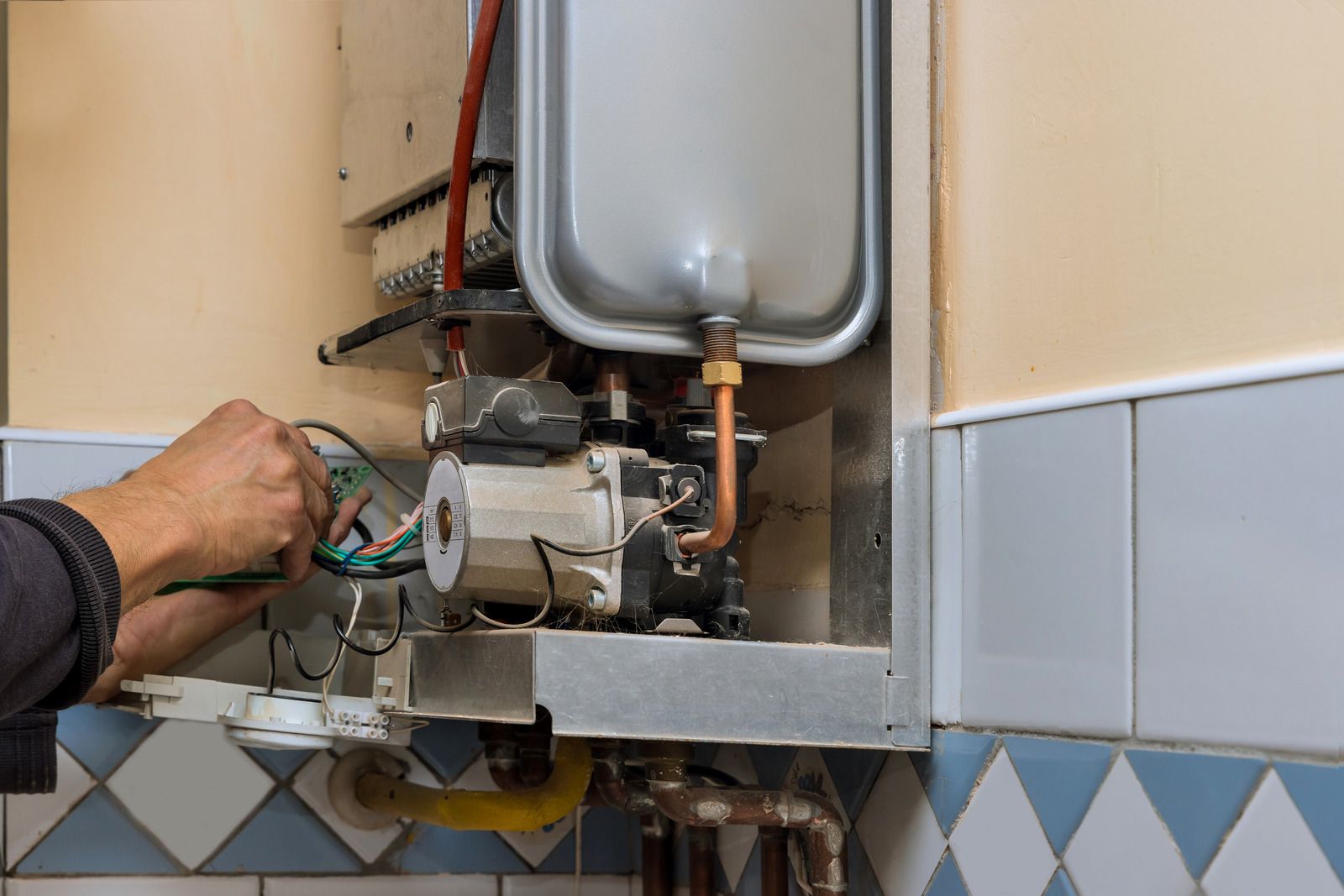
More than 400 people die each year in the United States from unintentional carbon monoxide poisoning that has nothing to do with fire, which is why the CDC asks for every gas-burning appliance to be serviced annually. Elite Flame Appliance Repair LLC provides heating system repair in La Puente, CA on gas furnaces, heat pumps, and wall units, covering ignition faults, flame sensors, limit switches, blower problems, and heat exchanger inspection on every single no-heat call that we take.
HEAT IS THE ONE SYSTEM WITH A SAFETY SIDE.
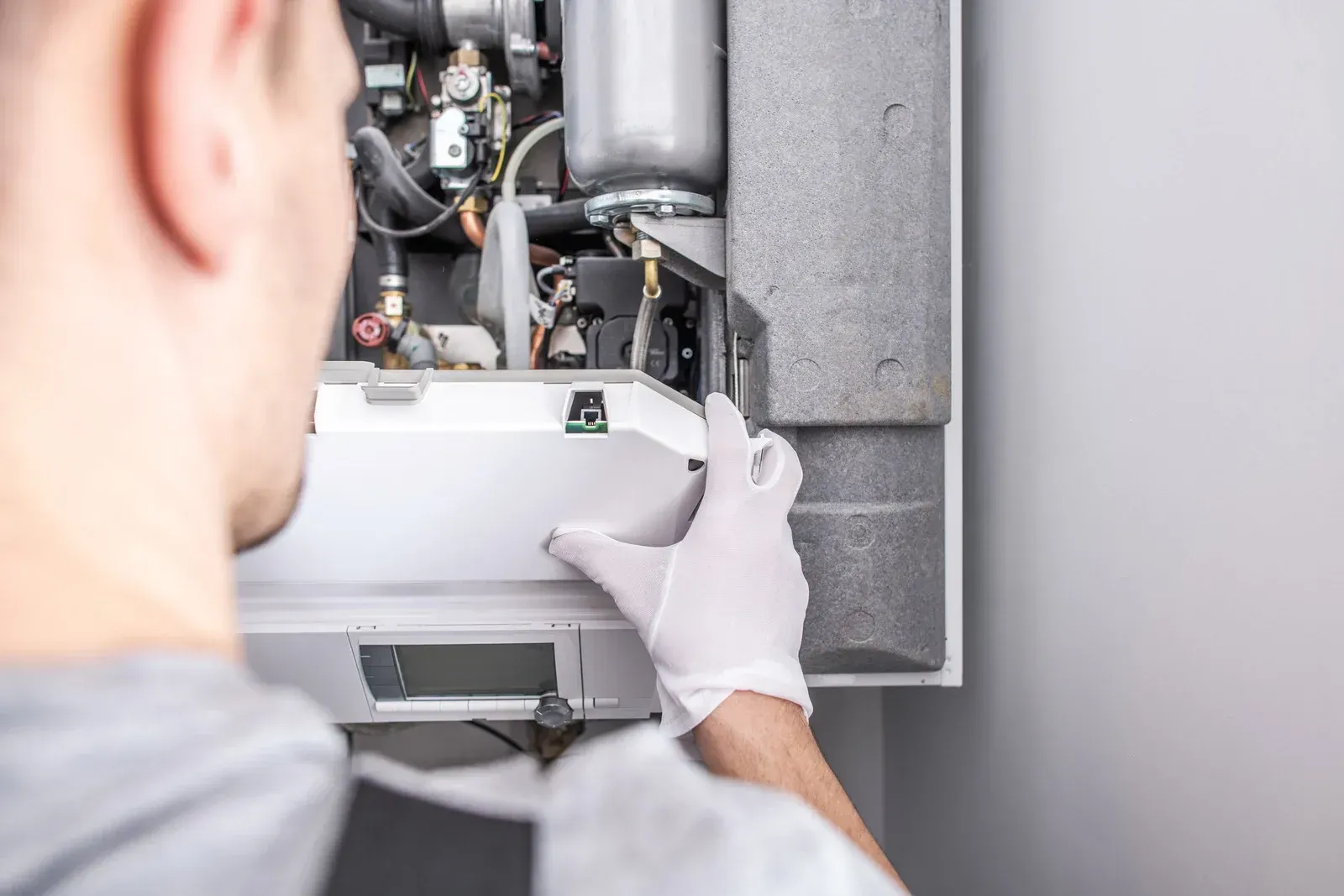
Cooling failures are uncomfortable. Heating failures can be dangerous. A cracked heat exchanger, a blocked flue, or a burner running rich puts combustion products where people breathe, and the early symptoms look exactly like a mild flu. That is why combustion and heat exchanger condition are part of every heating repair rather than an add-on.
California has required listed carbon monoxide alarms in homes with fossil fuel appliances since 2011. We check that they exist and that they work, because a furnace repair in a house with no alarm is only half a job.
- Heat exchanger inspected on every no-heat call
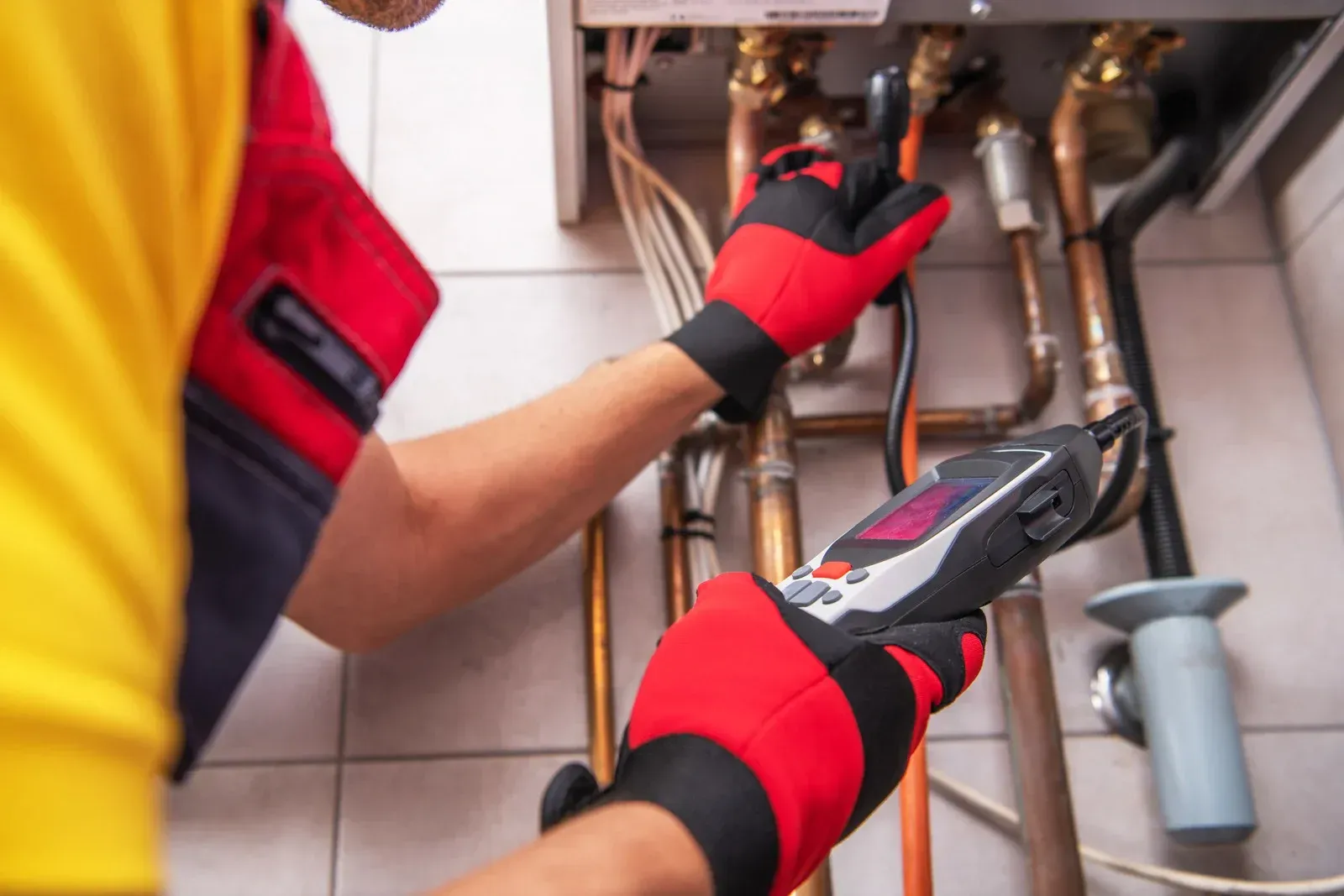
- Combustion and flue draft verified
- Carbon monoxide alarms checked for presence and function
- Ignition sequence read step by step
HEATING SYSTEM REPAIR
A FURNACE THAT SHORT CYCLES IS PROTECTING ITSELF.
The high-limit switch exists to shut the burner down when the heat exchanger gets too hot, and it does exactly that when airflow is restricted. So a furnace firing for 2 minutes and stopping is usually not a broken furnace. It is a dirty filter, a closed return, or a blower that has slowed, and the safety control is the only part doing its job correctly.
MILD WINTERS HIDE HEATING FAULTS FOR YEARS.
December highs in La Puente average in the mid 60s, so a furnace here runs a fraction of the hours one in a cold climate does. That sounds like an advantage until you realize a fault can sit undetected for several seasons, and then the system finally gets asked to work during the coldest week of the year with nothing at all in reserve.
NO HEAT EXCHANGER GETS SIGNED OFF UNSEEN.
It is the single easiest inspection to skip and the one with the worst consequences. Pulling the burner assembly to look properly adds time to a call, and plenty of companies decide that time is not worth spending. We decide otherwise, every single time, because the alternative is telling a family their furnace is fine without ever having actually looked at it properly. When was yours last opened up?
WHY CHOOSE US FOR HEATING SYSTEM REPAIR.
Combustion Safety Checked, Not Assumed
Heat exchanger, flue draft, burner condition, and carbon monoxide levels are part of the visit. A working furnace and a safe furnace are two separate findings.
Heat That Arrives When Called
Ignition faults, weak flame sensors, and failing inducer motors produce intermittent heating that is maddening to live with. Fixing the actual component ends the intermittency rather than postponing it.
Airflow Treated As A Heating Issue
Most short cycling and most limit trips are airflow, not the furnace. Correcting the restriction protects the heat exchanger and stops the system fighting its own safety controls.
Local Emissions Rules Respected
Furnaces installed in this district have to meet a strict low-emission standard, and that binds installers as well as manufacturers. Equipment recommendations here account for it from the start.
Heat Pumps Understood Properly
A heat pump blowing lukewarm air is often working exactly as designed. Knowing the difference between normal behavior and a real fault saves a great many unnecessary service calls.
Findings You Can Trust
If a heat exchanger has cracked, you will be told plainly and the reasoning shown. If it has not, you will be told that too, rather than sold a replacement out of caution.
WHAT WE FIX
OUR HEATING REPAIR WORK
Six areas cover the great majority of heating calls we take between October and March. Safety checks run alongside every one of them rather than as a separate visit later on.
NO HEAT
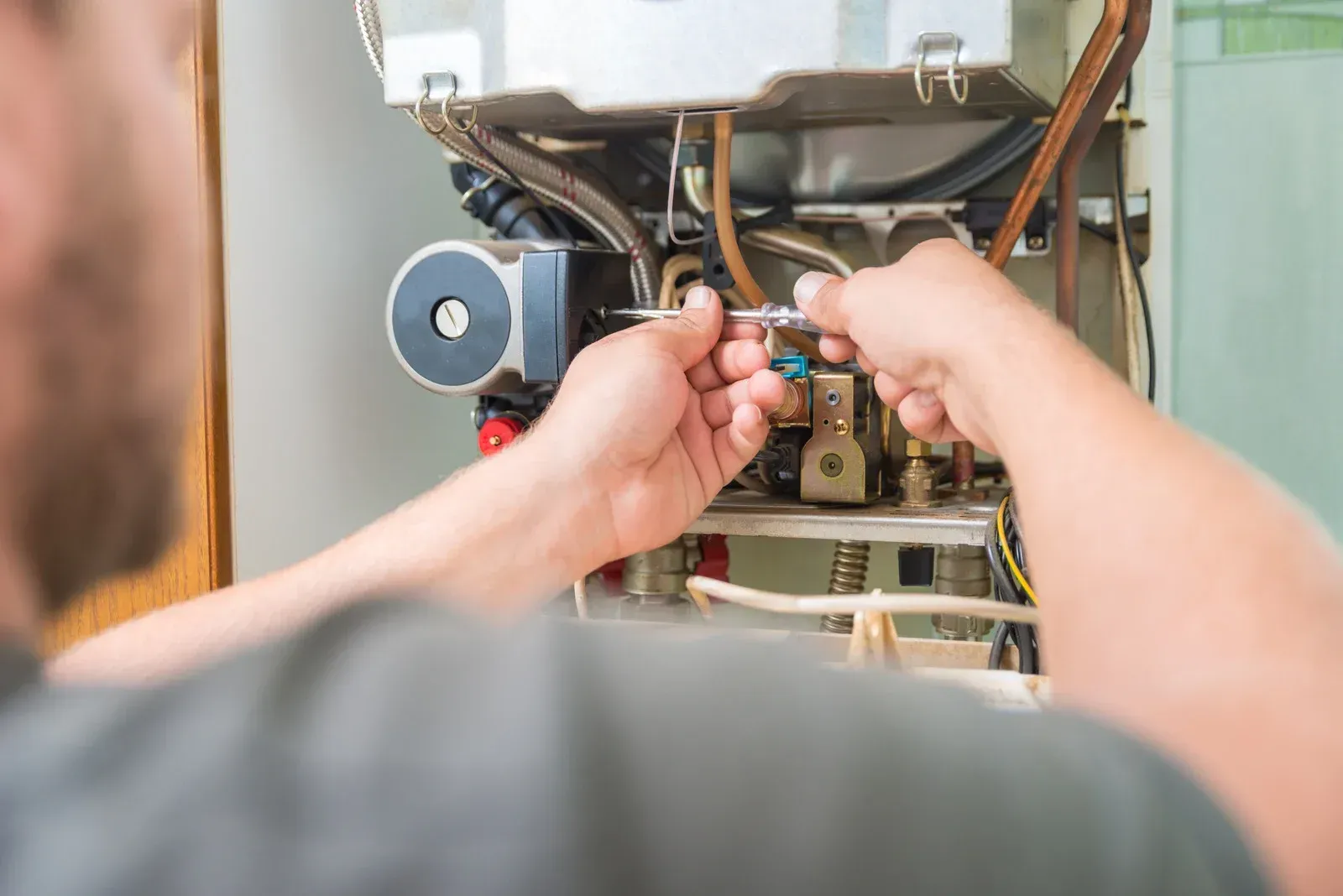
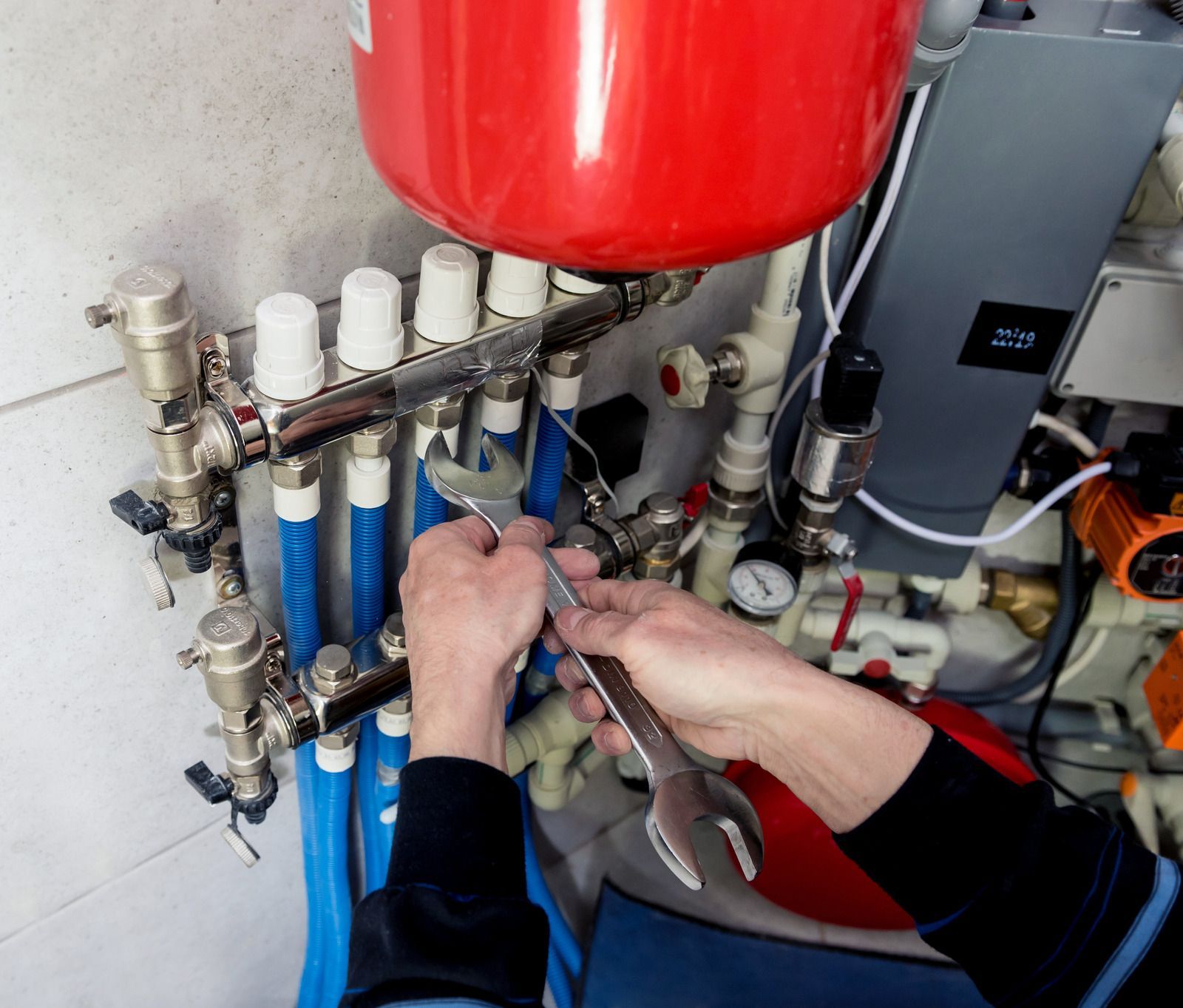
Furnace No-Heat Diagnosis
Thermostat call, inducer, pressure switch, igniter, gas valve, flame sensing, and limit switches, read in sequence. The ignition sequence tells you exactly where it stops, which tells you what failed.
IGNITION
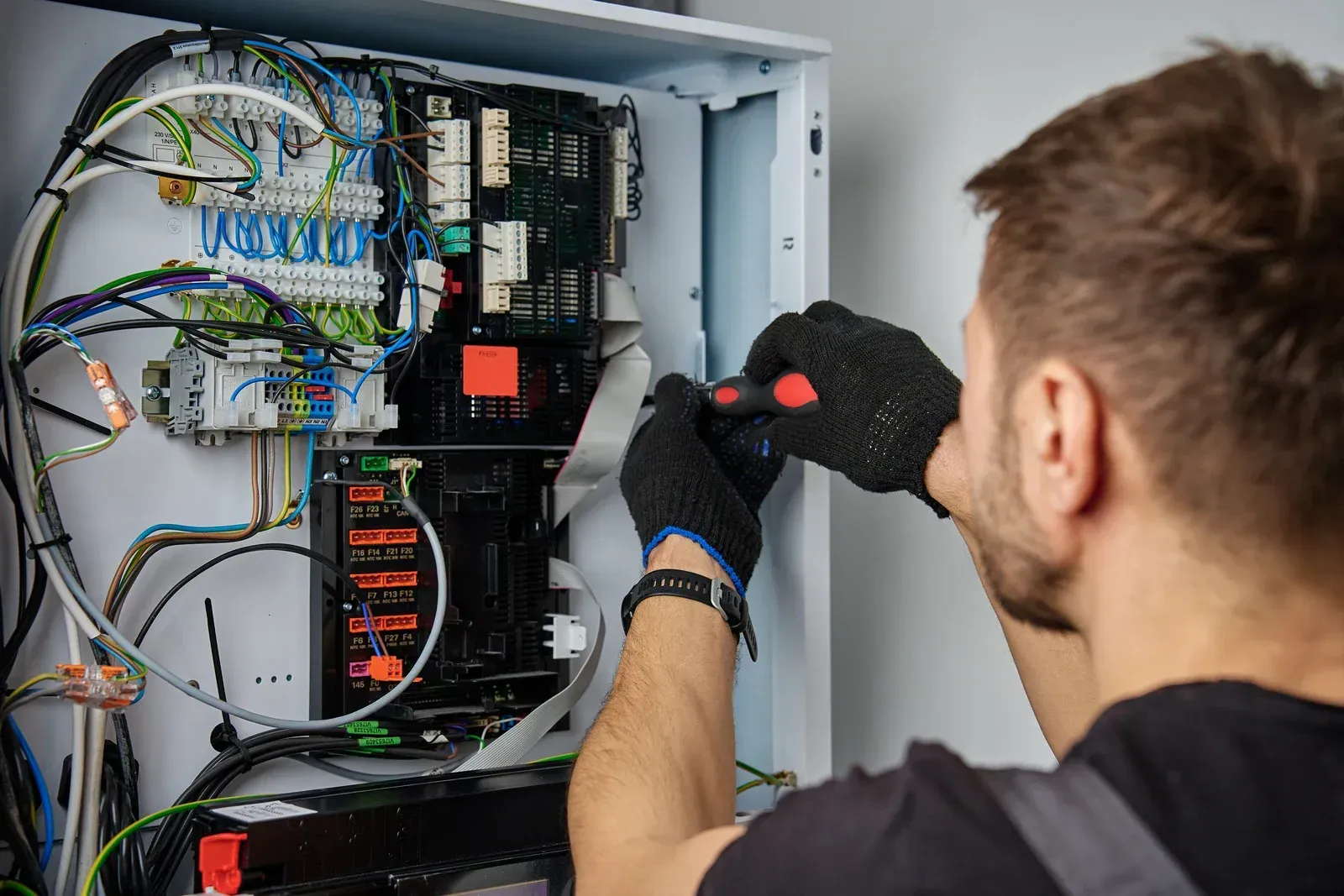
Igniters, Flame Sensors, and Pilots
Hot surface igniters, spark ignition, standing pilots, and flame sensors coated with oxide. A furnace that lights and drops out after a few seconds is nearly always a flame sensing problem.
SAFETY
Heat Exchanger and Combustion Inspection
Visual inspection with the burner assembly out, flue draft testing, and combustion analysis. Cracks, corrosion, and flame disturbance when the blower starts are the findings that matter the most here.
AIR SIDE
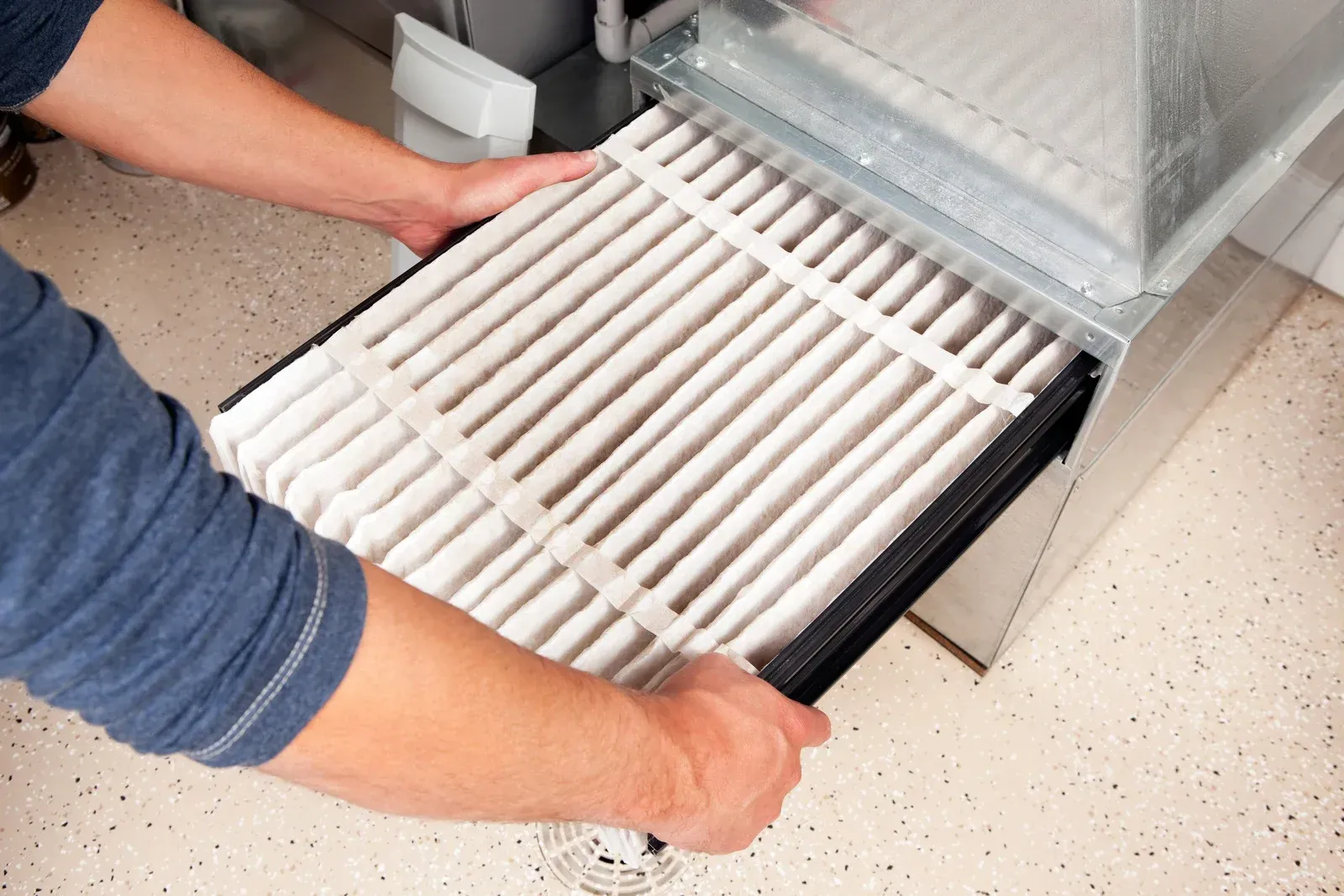
Blowers, Limits, and Airflow Faults
Blower motors, wheels loaded with dust, capacitors, and high-limit switches that keep tripping. Restoring airflow usually resolves both the short cycling and the standing complaint about uneven heat between rooms.
HEAT PUMPS
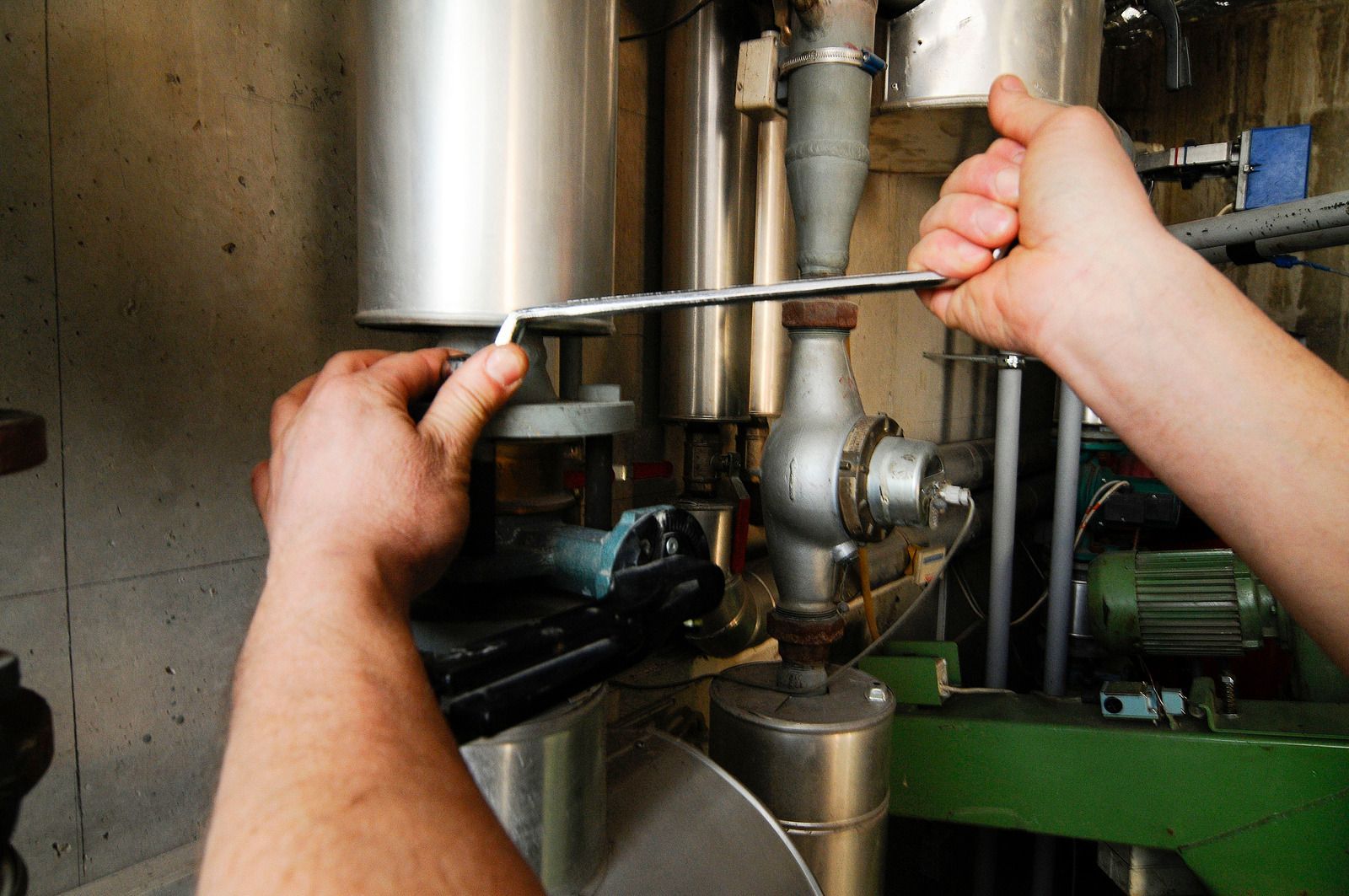
Heat Pump Heating Faults
Reversing valves, defrost controls, auxiliary heat staging, and charge. Supplementary heat running constantly usually means the heat pump side is underperforming rather than that the backup itself has become faulty.
CONDENSING
High-Efficiency Furnace Service
Condensate traps, drain lines, pressure switches, and secondary heat exchangers. Condensing furnaces produce acidic condensate, and a blocked trap will lock the furnace out long before anything else actually fails.
faq
frequently asked
questions.
Heating questions that come up every winter, mostly about furnaces blowing cold, pilots that will not stay lit, and how worried anybody should be about a heat exchanger.
Why is my furnace running but not blowing hot air?
The burner may not be firing at all while the blower runs, or the gas valve is not opening. Check whether you can hear ignition, because a blower-only cycle points straight at the gas side.
Why does my furnace blow cold air at the start of a cycle?
That is usually normal. The blower may start before the heat exchanger has warmed, particularly on older units. Cold air throughout the whole cycle is a completely different matter entirely.
What are the signs of a cracked heat exchanger?
Flame disturbance when the blower starts, soot, an unusual smell, corrosion around the exchanger, and carbon monoxide readings above zero in the supply air. Visual inspection confirms what those symptoms suggest.
Why will my furnace not ignite?
A dirty flame sensor is the most common cause, followed by a failed igniter or a pressure switch that never closes. Elite Flame Appliance Repair LLC reads the ignition sequence in order across La Puente, CA.
Why does my furnace keep shutting down on the high-limit switch?
Airflow. A dirty filter, closed registers, a blocked return, or a slowing blower all let the heat exchanger get too hot, and the limit switch does its job by cutting the burner.
Why is my heat pump blowing lukewarm air instead of hot air?
Heat pumps deliver air cooler than a gas furnace does by design, often in the 90s rather than well above. That feels lukewarm on the skin while still heating the house quite effectively.
What is auxiliary or emergency heat on a heat pump?
Backup heating that engages when the heat pump cannot keep up or during defrost. Elite Flame Appliance Repair LLC checks staging on heat pump calls in La Puente, CA, since constant backup use signals a fault.
What causes a condensate drain clog in a high-efficiency furnace?
Acidic condensate carries debris into the trap and drain line, and biological growth builds in a line that sits unused through summer. A blocked trap trips the pressure switch and locks the furnace out.
HOW WE WORK
FROM A COLD HOUSE TO A SAFE, WORKING FURNACE.
STEP 01
Tell Us What The Furnace Does
Does it try to start and then give up, run without heat, or do nothing at all? Each one of those three answers points at a different stage of the ignition sequence entirely.
STEP 02
Treat No-Heat As Urgent
A house with no heating in January is a priority call, and we schedule it that way 7 days a week. If anybody in the building is vulnerable, say so when you call us.
STEP 03
Read The Ignition Sequence
Each stage is checked in order with a meter: call for heat, inducer, pressure switch, igniter, gas valve, flame proving. The sequence stops where the fault is, which removes most of the guesswork.
STEP 04
Inspect The Safety Side
The burner assembly comes out, the heat exchanger gets looked at, flue draft is tested, and carbon monoxide is measured. This happens whether or not it relates to the fault you called about.
STEP 05
Repair And Cycle It
After the repair the furnace runs several complete cycles, with temperature rise measured against the nameplate range. Rise outside that range means airflow is still wrong even if the burner now lights properly.
STEP 06
Report The Safety Findings In Writing
You get the readings, the parts replaced, the heat exchanger assessment, and the carbon monoxide result. That page is worth keeping, and it is worth reading again before the next heating season starts.
REQUEST YOUR SERVICE CALL
GET THE HEAT BACK AND THE SAFETY CONFIRMED.
A furnace that is not working and a furnace that is not safe can look identical from the hallway. Describe what yours is doing through the contact form or the booking page and we will check both.
WHAT YOUR SERVICE CALL COVERS:
- Full ignition sequence read with a meter
- Heat exchanger inspected with the burners out
- Flue draft and combustion products measured
- Carbon monoxide alarms checked for function
- Temperature rise verified against the nameplate
- Written safety findings left with you