

HVAC Repair and Maintenance
HVAC REPAIR AND MAINTENANCE IN La Puente, CA.
California Title 24 requires MERV 13 filtration on residential systems with more than 10 feet of ductwork, and every La Puente ZIP code sits in Climate Zone 9, where refrigerant charge is a HERS-verified item on qualifying alterations. Elite Flame Appliance Repair LLC provides HVAC repair and maintenance in La Puente, CA for homes and light commercial buildings: airflow, filtration, duct condition, electrical connections, combustion, and seasonal inspections on both sides of the system through the whole year.
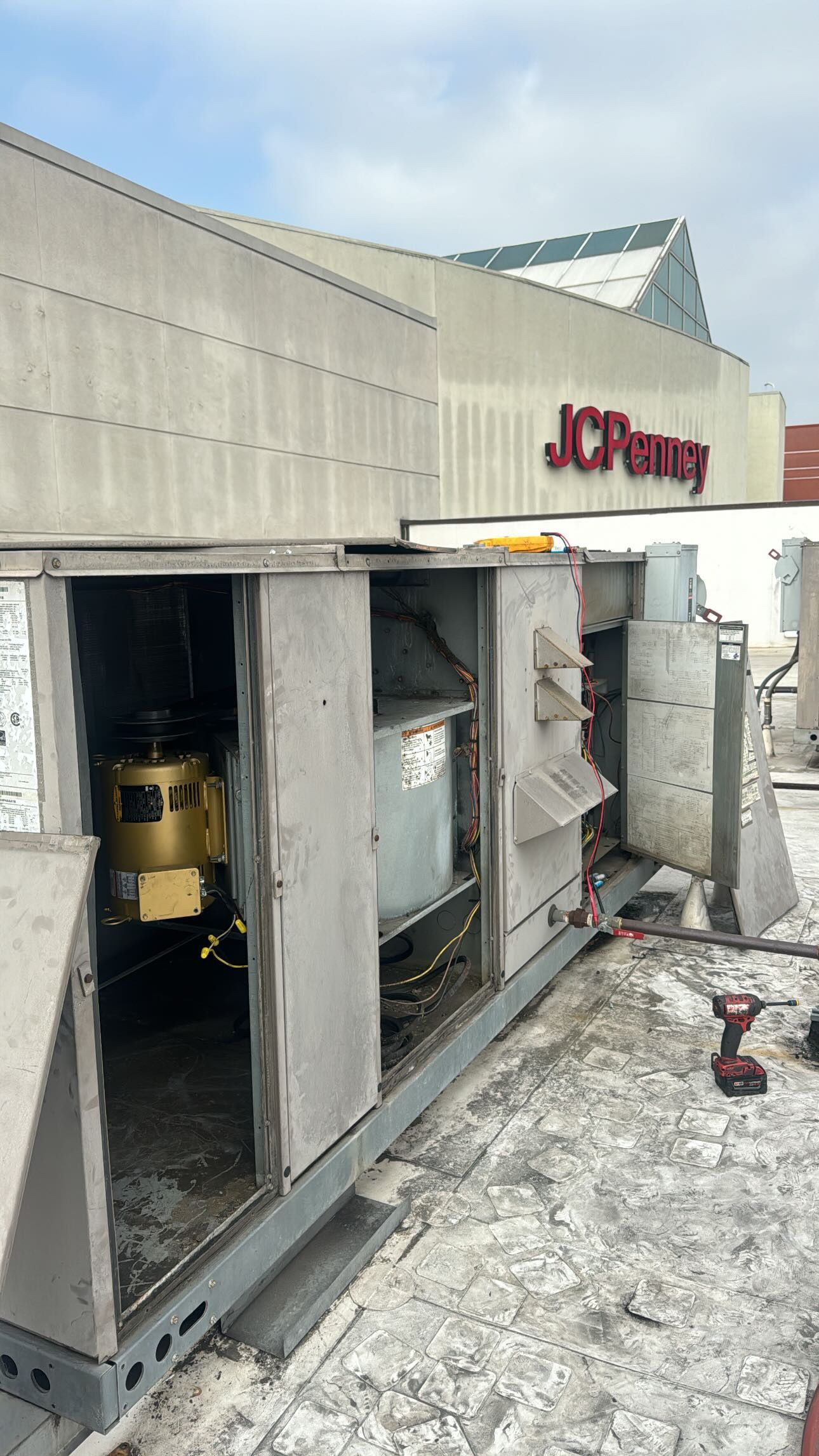
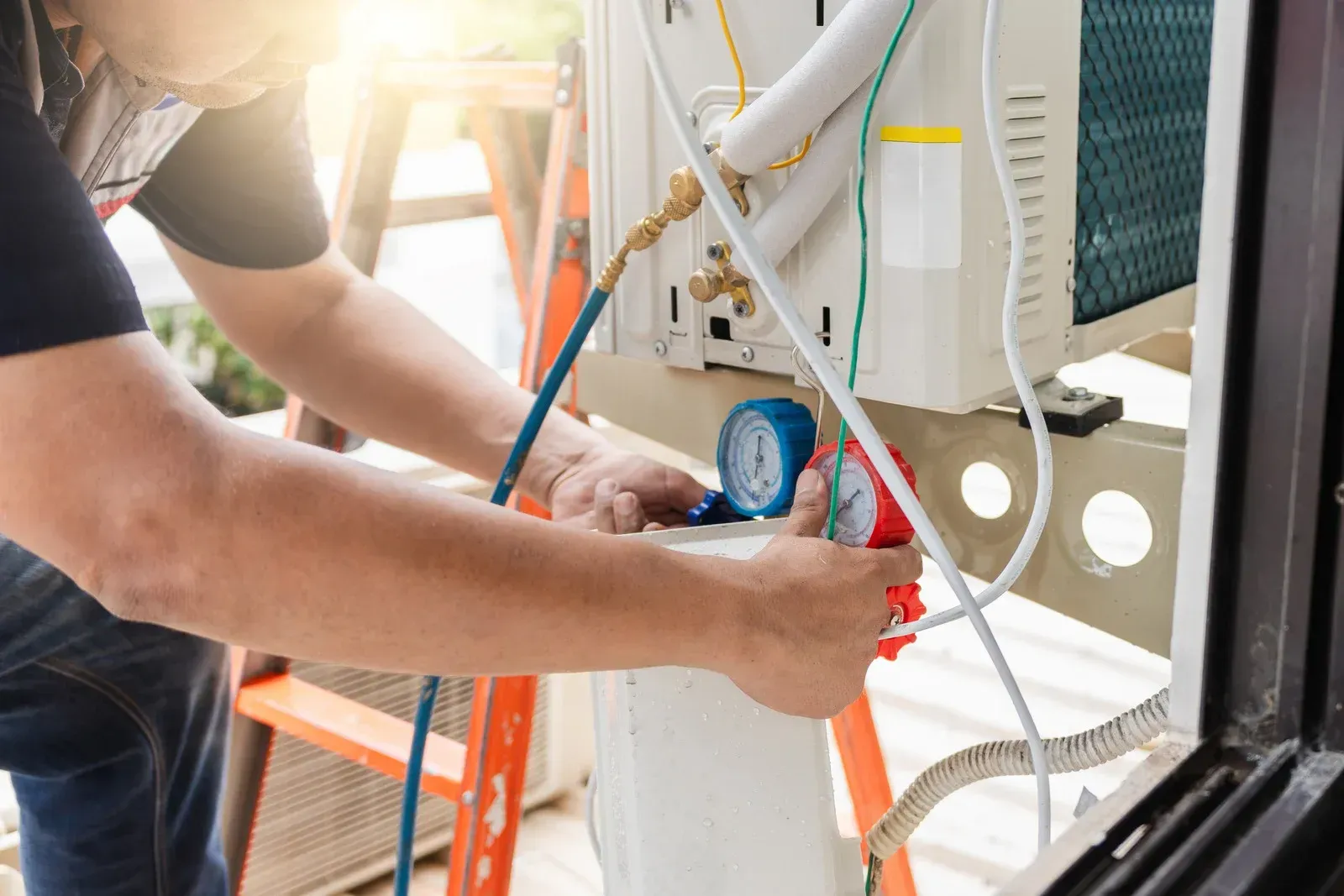
AIRFLOW IS THE PROBLEM BEHIND MOST OTHER PROBLEMS.
A clogged filter can cut efficiency by as much as 15 percent, and replacing a dirty one lowers air conditioner energy use somewhere between 5 and 15 percent. Restricted airflow also freezes coils, overheats furnaces, and shortens compressor life. Most of what gets diagnosed as a failing system is a system that cannot breathe.
So airflow gets measured, not estimated. Filter condition, return sizing, duct leakage, and blower performance are looked at before anyone reaches for a set of refrigerant gauges at all.
- Airflow and filtration checked on every visit
- Electrical connections tightened and current measured
- Condensate drain and secondary protection inspected
- Combustion and heat exchanger checked in season
HVAC REPAIR AND MAINTENANCE
TWO VISITS A YEAR IS NOT A SALES PITCH.
Manufacturers and federal efficiency programs both recommend a cooling inspection in spring and a heating inspection in fall, and the reason is mechanical rather than commercial. Capacitors weaken gradually, contactors pit, coils load with dust, and condensate drains silt up. Every one of those is cheap to correct early and expensive to correct after it takes a compressor or a control board down with it as well.
SANTA ANA SEASON LOADS EVERY COIL IN THE VALLEY.
Offshore wind events run from roughly October through April and average around 32 a year across Southern California, carrying dust and debris straight into outdoor units and return filters. That is why a fall inspection here is not optional maintenance. A condenser that spent all of October breathing dust will struggle through the first warm week of the following spring without any warning.
SHORTCUTS IN THIS TRADE ALL HAVE NAMES WE KNOW.
Charging a system without checking airflow. Replacing a capacitor without reading the old one. Calling a coil clean because it looks clean from the top. Every one of those saves an hour on the day and creates a callback within the season. We work the long way around because the long way around is what actually holds up over time. When was your system last properly measured?
WHY CHOOSE US FOR HVAC REPAIR AND MAINTENANCE.
Lower Running Costs, Measurably
Clean filters and correct airflow recover a meaningful share of the energy a struggling system wastes. That saving repeats every month rather than arriving once.
Code Items Handled Correctly
MERV 13 filtration, refrigerant charge verification in Climate Zone 9, and permits where alterations require them. Skipping those creates a problem at resale rather than solving one now.
Fewer Emergency Calls
Most no-cool and no-heat failures announce themselves during a seasonal inspection weeks in advance. Catching a weak capacitor in March is a different experience from losing cooling in August.
Cleaner Air Inside
Correct filtration, sealed ducts, and a clean evaporator remove a real amount of what circulates through a house. It is the part of HVAC work people notice without measuring.
Equipment That Reaches Its Rated Life
Central air conditioners are expected to run 10 to 15 years and gas furnaces closer to 18. Reaching those figures depends almost entirely on airflow, cleanliness, and correct charge.
One Contractor For Building And Equipment
The same visit can cover a rooftop unit and the refrigeration or cooking equipment underneath it. For a restaurant or a market that removes an entire layer of coordination.
WHAT WE SERVICE
OUR HVAC WORK
Six areas make up the bulk of what an HVAC system needs across a year. Some are seasonal, some are triggered by a symptom, and all of them start with airflow.
SEASONAL
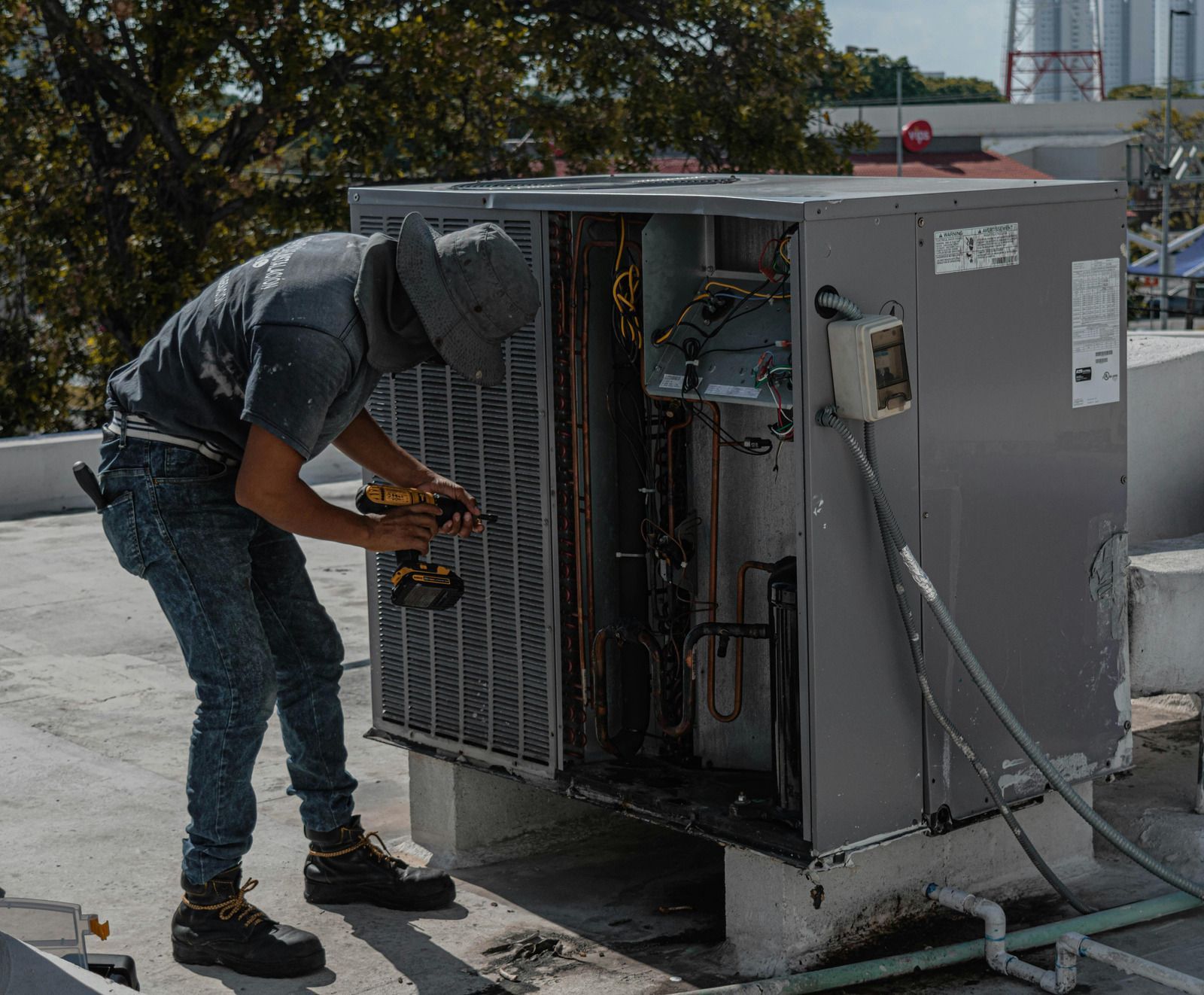
Spring and Fall System Inspections
Cooling checked before summer, heating before winter. Coils, filters, electrical connections, motor amperage, condensate drainage, and combustion where relevant, with readings recorded so the next visit can compare directly against them.
AIRFLOW
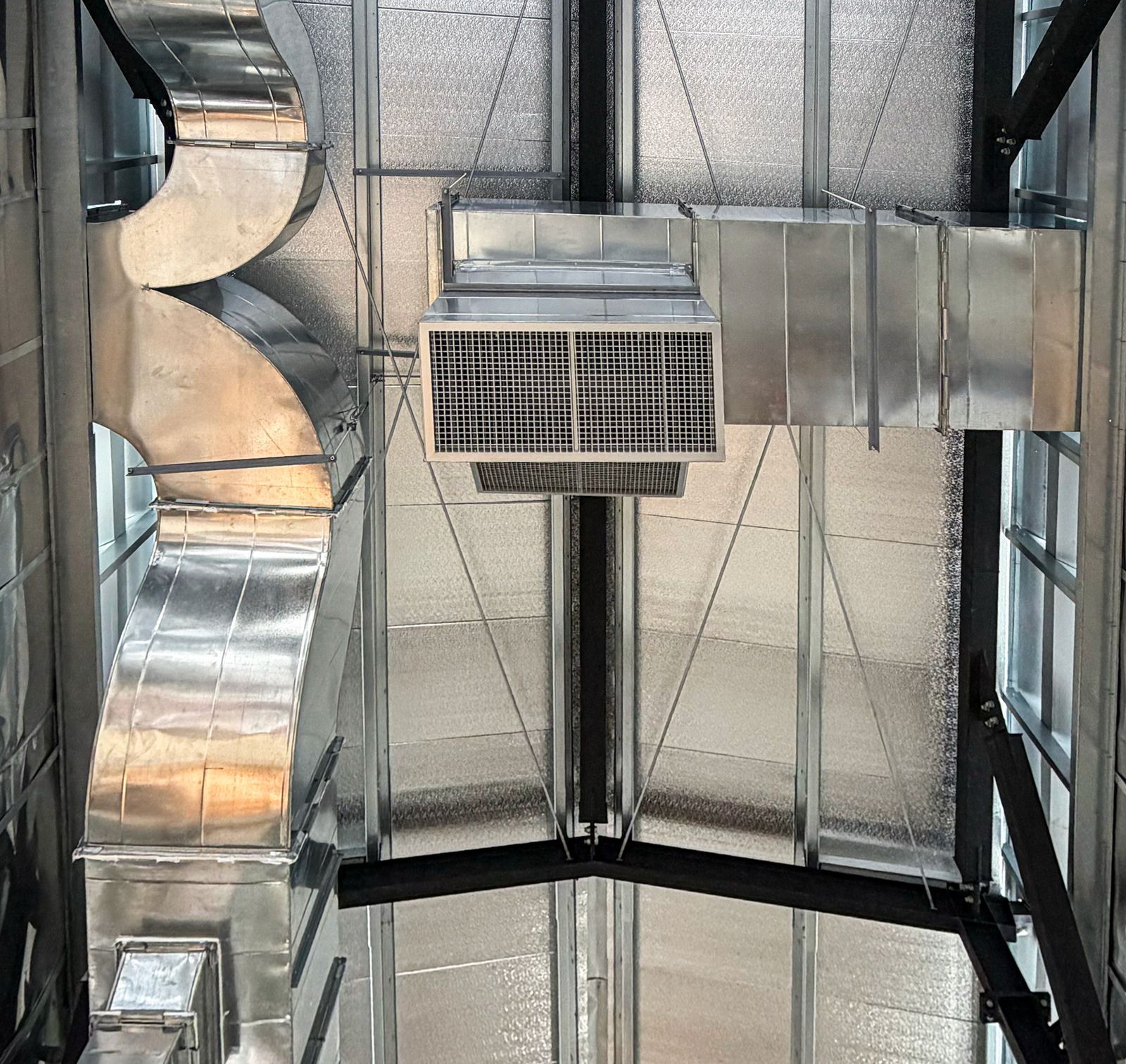
Filtration, Ducts, and Airflow Correction
Filter sizing and MERV rating, return capacity, duct leakage, and crushed or disconnected runs in attics. A system starved of return air will never perform to its rating regardless of the equipment.

CONTROLS
Thermostats and Control Wiring
Thermostat replacement, calibration, staging setup, and low-voltage wiring faults. Intermittent operation is often a control problem rather than an equipment problem, and it is frequently the cheapest thing on the list.

ELECTRICAL
Capacitors, Contactors, and Motors
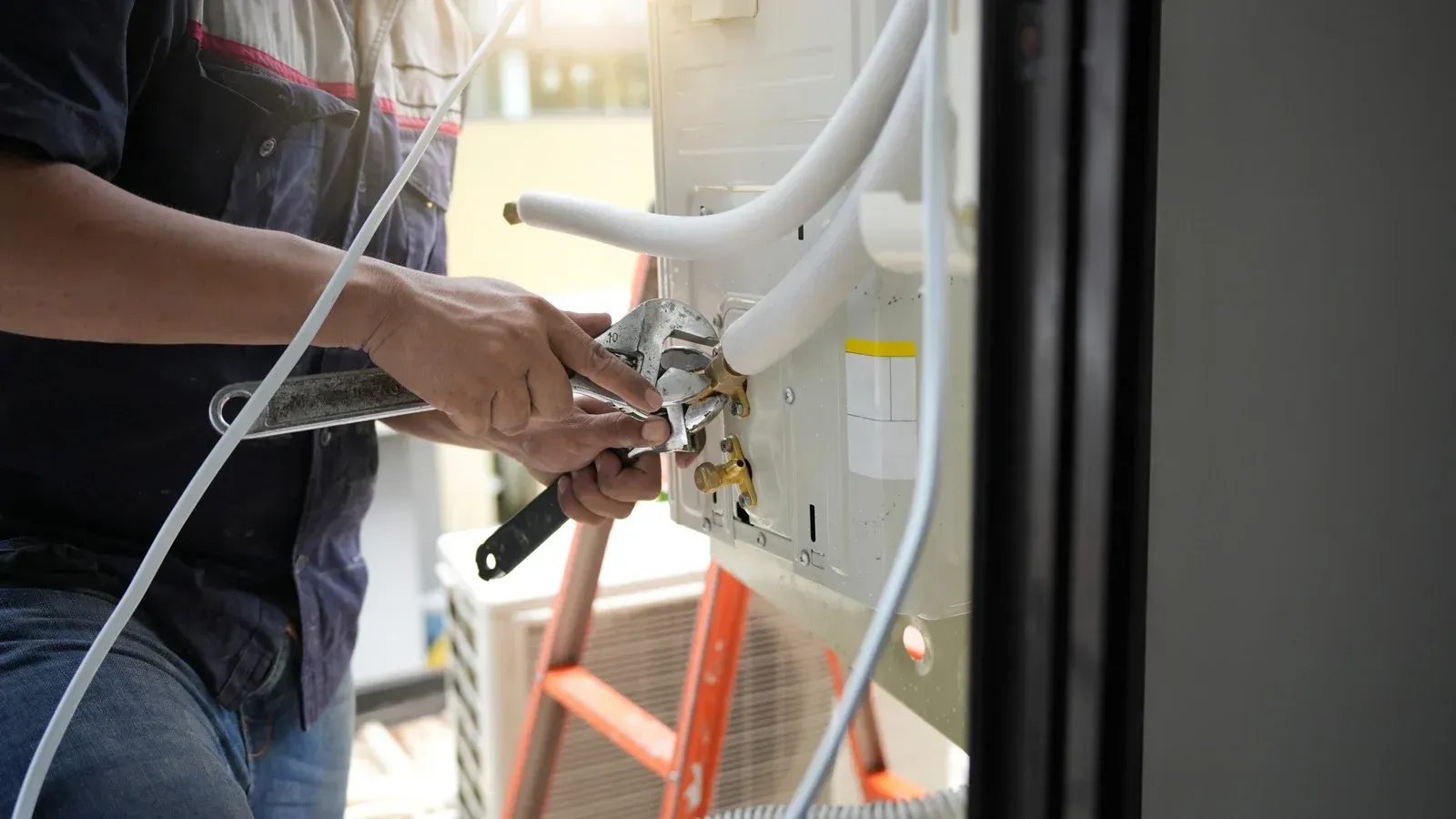
Run capacitors are measured against their rated tolerance, contactors are inspected for pitting, and motor current is compared to the nameplate. Components are replaced on readings, not on their appearance.
DRAINAGE
Condensate Drains and Overflow Protection
Primary drain lines, auxiliary pans, and float switches. California requires secondary protection on equipment above a finished ceiling, and a silted drain is the single most common source of ceiling damage.

LIGHT COMMERCIAL
Rooftop and Light Commercial Units
Packaged rooftop units serving restaurants, offices, and small retail. Belt condition, economizer operation, curb sealing, and access safety all get checked alongside the refrigeration and heating sections of the unit.
faq
frequently asked
questions.
General HVAC questions we answer for homeowners and small business operators, mostly about service intervals, filters, permits, and when a symptom means something is genuinely wrong.
How often should an HVAC system be serviced?
Twice a year: a cooling inspection in spring and a heating inspection in fall. Filters need attention monthly, which is a homeowner task between visits rather than something a technician should be doing.
What happens during an HVAC tune-up?
Coils cleaned, filters checked, refrigerant level verified, airflow measured, electrical connections tightened, motor current read, condensate drain cleared, and combustion inspected on the heating side. Readings get recorded for comparison next season.
How often should I change my air filter?
Inspect monthly and change as needed. A one-inch filter in a busy household often needs replacing every 30 to 60 days, and dust or pets shorten that interval considerably further.
What MERV rating should I use?
California requires MERV 13 or higher on residential systems with more than 10 feet of ductwork. Elite Flame Appliance Repair LLC confirms your blower can handle it before fitting one in La Puente, CA.
Why is my HVAC system short cycling?
Restricted airflow, an oversized system, a failing capacitor, or a thermostat placed where it reads the wrong temperature. Short cycling wears equipment quickly, so it is worth diagnosing rather than tolerating.
Why are some rooms hotter or colder than the rest?
Usually duct design or duct condition. A crushed flex run, a disconnected branch in the attic, or a return that cannot pull enough air will starve the rooms furthest from the equipment.
Does duct sealing actually make a difference?
Considerably. California sets duct leakage limits on altered systems and tighter ones on new duct systems, which exists because leaky ducts waste conditioned air. Elite Flame Appliance Repair LLC tests ducts across La Puente, CA.
What is causing the burning or musty smell when the system starts?
A burning smell at first heat is usually dust on the heat exchanger and clears within minutes. A musty smell points at a dirty evaporator coil or standing water in the drain pan.
HOW WE WORK
FROM A ROUGH SEASON TO A MEASURED SYSTEM.
STEP 01
Tell Us The Symptom Or Book The Season
Either something is wrong or something is due. Both start the same way, with a conversation about the equipment, its age, and what the last few months have actually been like for you.
STEP 02
Check Airflow Before Anything Else
Filters, returns, and blower performance come first. Diagnosing a cooling or a heating complaint without first knowing whether air is moving properly produces the wrong answer most of the time, at some expense.
STEP 03
Read The Electrical Side
Capacitors are measured against tolerance, contactors are inspected for pitting, and motor current is compared against the nameplate. A run capacitor sitting a few microfarads low is a compressor failure that has not happened yet.
STEP 04
Look At The Refrigeration And Combustion Sides
Coils, charge, and superheat on the cooling side. Burners, flame sensing, and heat exchanger condition on the heating side. Both are checked at the visit that matches the right season of the year.
STEP 05
Correct And Re-Measure
Whatever gets cleaned, replaced, or adjusted is followed by a second set of readings. Comparing the before and after numbers is the only way to prove that the work actually changed anything at all.
STEP 06
Set The Next Visit
You leave with the readings, a note of anything that is trending, and the next seasonal inspection on the calendar. Systems that are looked at twice a year rarely surprise anybody in August.
REQUEST YOUR SERVICE CALL
GET THE SYSTEM MEASURED, NOT GUESSED AT.
A system nobody has put an instrument on is a system nobody actually understands. Book a seasonal inspection or describe the symptom through the contact form or the booking page, and we will start with airflow.
WHAT YOUR SERVICE CALL COVERS:
- Airflow and filtration measured, not estimated
- Capacitor and motor readings against nameplate
- Coils cleaned and inspected on both sides
- Condensate drain and overflow protection checked
- Combustion and heat exchanger inspected in season
- Before and after readings recorded for next visit