

Preventive Maintenance Programs
PREVENTIVE MAINTENANCE PROGRAMS IN La Puente, CA.
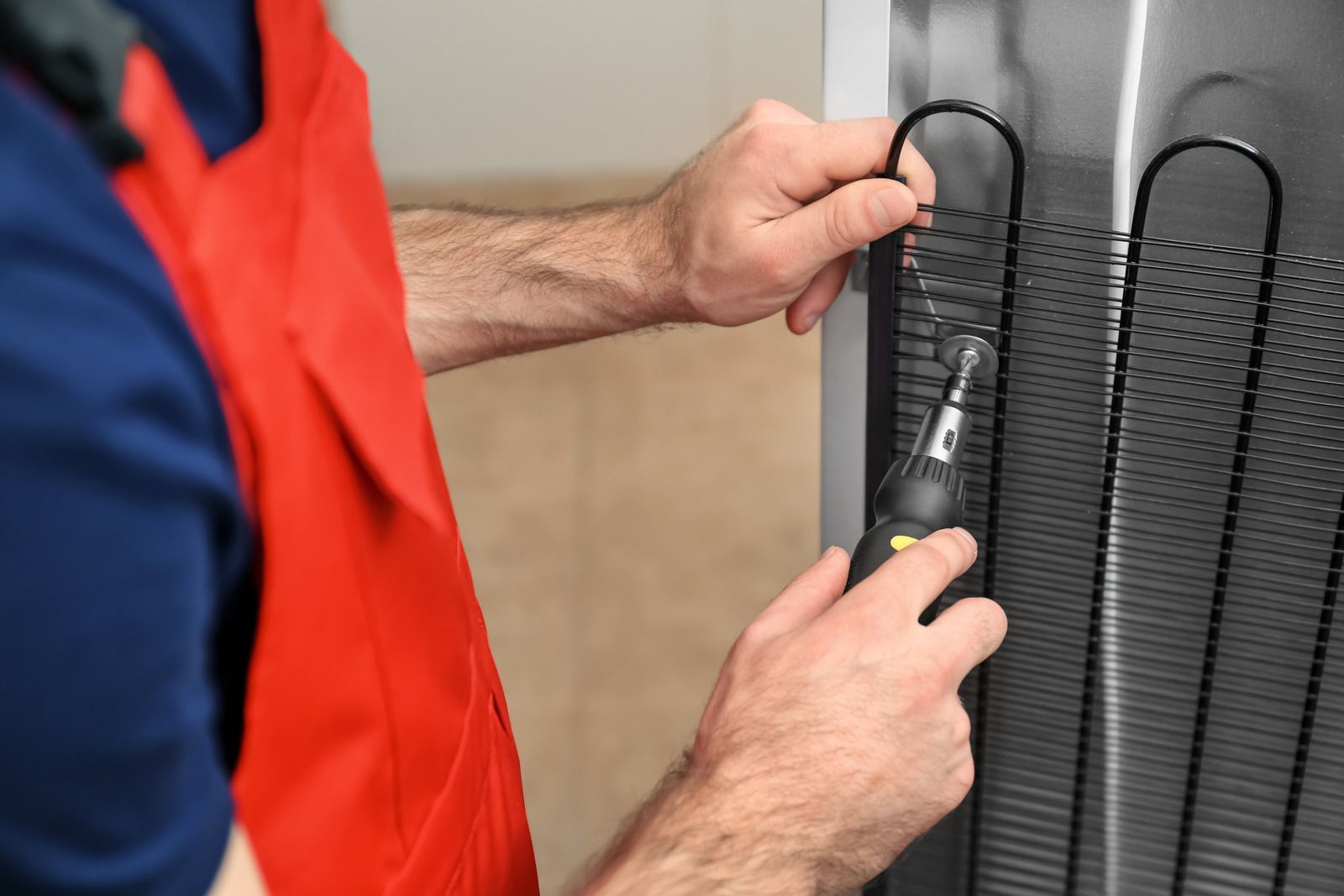
Refrigeration manufacturers specify condenser cleaning every 30 days and state plainly that dirty condensers cause compressor failure and product loss that no warranty covers. Elite Flame Appliance Repair LLC builds preventive maintenance programs in La Puente, CA around your actual equipment list: kitchen cooking equipment, refrigeration, warewashing, and HVAC, on intervals set by duty cycle rather than by a generic calendar, with written findings after every single visit. Nothing on that list gets skipped because it is inconvenient.

MAINTENANCE IS THE ONLY REPAIR YOU CAN SCHEDULE.
Everything else happens when the equipment decides. A condenser cleaned in April is an hour on a Tuesday. The same condenser left alone until August is a compressor, a truck roll, and a day of lost trade. The work is identical. Only the timing and the cost are different, and you control one of them.
Programs are built from the equipment you actually own, not from a package. A kitchen with three fryers and two walk-ins needs a different schedule from an office with one rooftop unit.
- Intervals set by duty cycle, not by calendar
- Written findings and readings after every visit
- Warranty documentation kept intact
- One provider for kitchen equipment and HVAC
PREVENTIVE MAINTENANCE PROGRAMS
THE SAVINGS ARE MEASURABLE, NOT THEORETICAL.
Replacing a clogged filter lowers air conditioner energy use by somewhere between 5 and 15 percent, and airflow problems on their own can cut system efficiency by as much as 15 percent. Those are not marketing figures. They come from federal efficiency programs, and they repeat every month the equipment runs rather than arriving once as a rebate on a brand new unit. That difference compounds quickly.
THIS VALLEY IS HARD ON EQUIPMENT.
Water at 228 milligrams per liter of hardness scales elements and boilers. Santa Ana events averaging around 32 a year load coils and filters with dust. August highs near 89 degrees keep condensers working against high head pressure for weeks. A maintenance interval that suits a mild, soft-water region is simply the wrong interval for equipment running in La Puente day in and day out.
PREVENTING THE CALL BEATS BILLING FOR IT.
There is a version of this trade that profits from neglect, where the same compressor fails every few years and nobody asks why. We would rather be the contractor whose accounts stop calling in emergencies, because those are the accounts that stay for a decade. Maintenance is the least dramatic work we do and easily the most valuable. What does your current schedule actually cover right now?
WHY CHOOSE US FOR PREVENTIVE MAINTENANCE PROGRAMS.
Fewer Failures At The Worst Moment
Most breakdowns give warning during a routine visit. Catching a weak capacitor, a fouled coil, or a drifting thermostat in advance moves the repair out of your busiest week entirely.
Warranty Claims That Stand Up
Manufacturers exclude failures caused by neglect. Documented service at the specified interval is the evidence that settles a claim rather than starting an argument you will probably lose.
Energy Costs That Stop Creeping
Dirty coils, clogged filters, and low charge all show up on a utility bill before they show up as a fault. Maintenance stops that drift before it becomes normal.
One Schedule For Everything
Kitchen equipment, refrigeration, warewashing, and HVAC on a single plan with a single point of contact. Coordination stops being your job and starts being part of the service.
Equipment That Reaches Its Full Life
Life expectancy figures assume maintenance. A refrigerator, a fryer, or a furnace that gets serviced on schedule reaches the end of its rated life rather than half of it.
Budgeting Instead Of Surprises
Written findings identify what is wearing out before it fails. That turns capital replacement into something you plan for next quarter rather than something you discover on a Friday night.
WHAT A PROGRAM COVERS
OUR MAINTENANCE WORK
Programs are assembled from the modules below, at the intervals your equipment and duty cycle call for. Nothing is bundled in that your own building does not actually need or use.
COLD SIDE
Refrigeration Maintenance
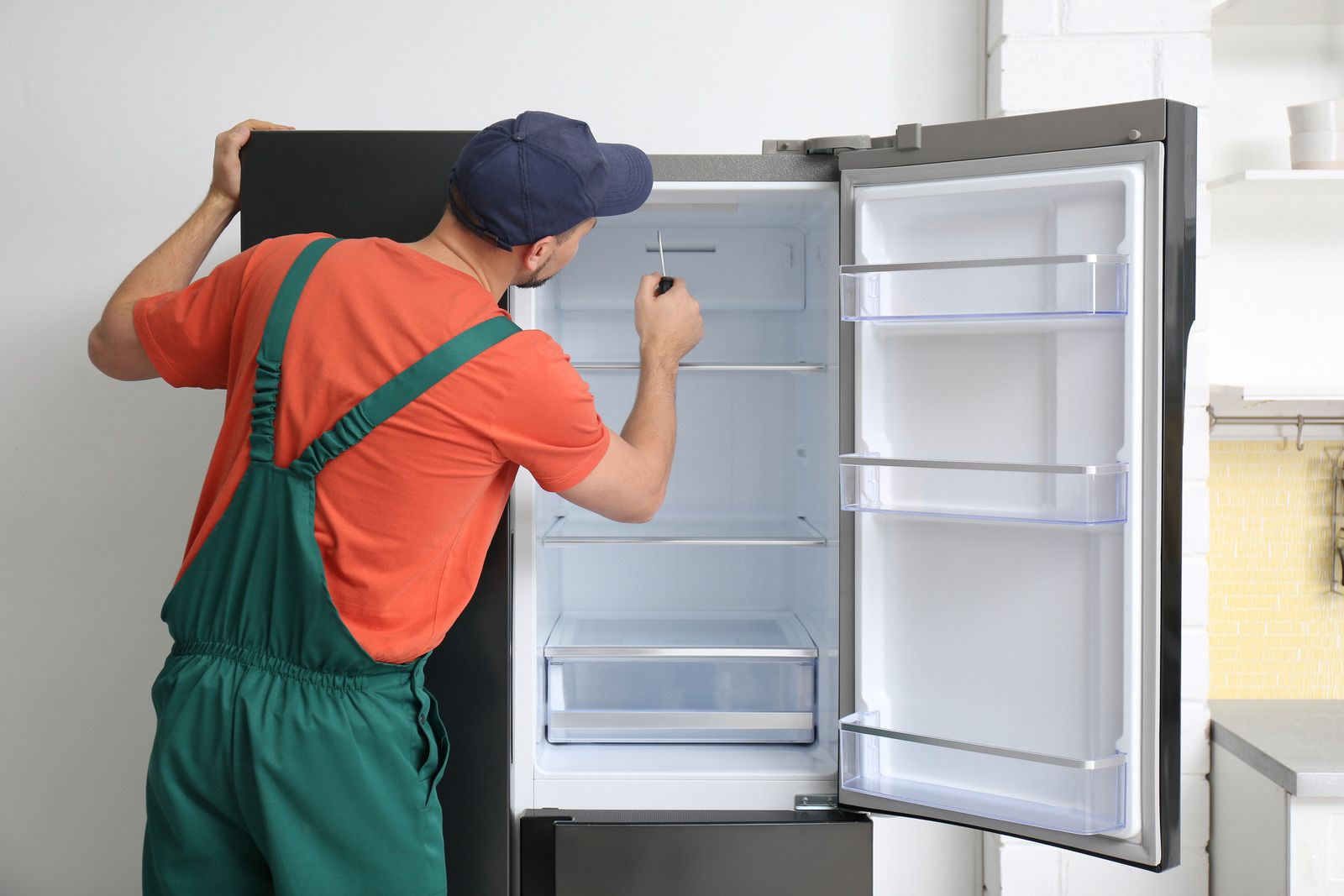
Condenser and evaporator cleaning, defrost verification, gasket inspection, temperature logging, and drain line clearing. Manufacturers specify a 30-day condenser interval in kitchen environments, and that is the schedule we work to.

HOT SIDE
Cooking Equipment Maintenance
Thermostat calibration, burner and port cleaning, gas pressure verification, gasket and hinge checks, and fryer boil-outs. Each unit on the line is walked rather than sampled, and findings are listed by appliance.

HVAC
Seasonal HVAC Inspections
Spring cooling and fall heating visits covering coils, filters, electrical readings, motor amperage, condensate drainage, and combustion. Readings from each visit are compared against the last so trends become visible early.

WATER SIDE
Descaling And Water Treatment Checks
Element and boiler descaling, filter replacement, and verification that the water heater can supply what the equipment needs. Local hardness makes this the highest-value line item on most programs around here.
LAUNDRY
Dryer Vent And Laundry Servicing
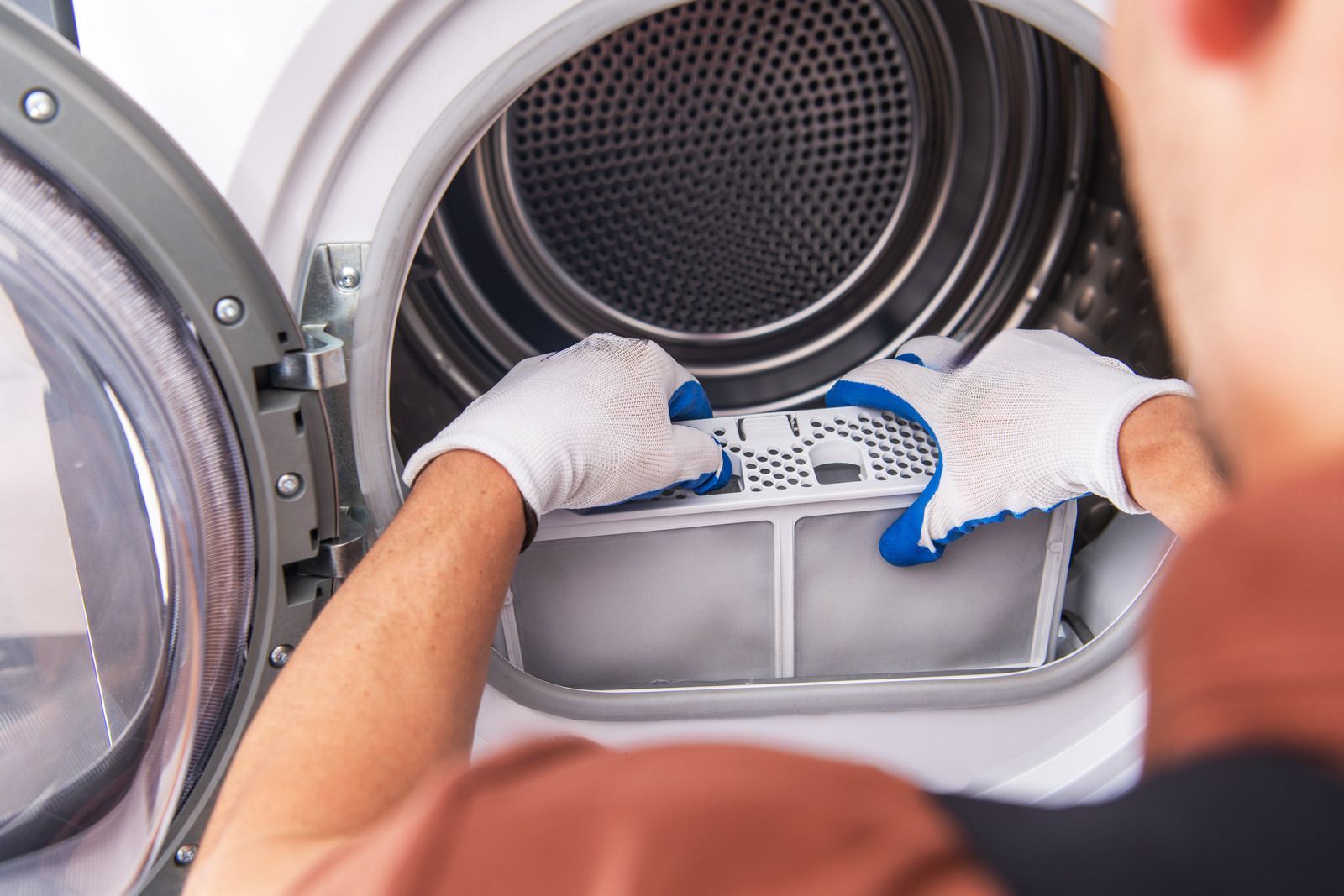
Full duct clearing, exterior flap checks, lint path inspection, and drying time verification. For apartment buildings and laundromats this is a fire prevention measure rather than a purely performance one.

REPORTING
Documentation And Compliance Records
Temperature logs, service reports, and readings compiled into a record you can hand to an inspector, an insurer, or a manufacturer. Documentation is part of the program, not an optional extra.
faq
frequently asked
questions.
The questions owners and facility managers ask before committing to a schedule, mostly about what is included, how often visits happen, and whether the arithmetic actually works.
What is included in a maintenance plan?
For HVAC, seasonal inspections covering coils, filters, electrical readings, and combustion. For kitchen equipment, calibration, cleaning, and gas checks. For refrigeration, condenser cleaning, defrost verification, and full temperature logging on every unit.
Does preventive maintenance actually lower energy bills?
Yes, and the mechanism is straightforward. Clean coils transfer heat better, correct airflow lets a system reach capacity sooner, and correct charge stops the compressor running longer than it needs to.
How often does commercial rooftop equipment need servicing?
Twice a year as a baseline, and quarterly where the unit sits above a kitchen exhaust. Grease carried onto a rooftop coil shortens its life dramatically compared with the same unit over an office.
Can a maintenance plan cover appliances as well as HVAC?
Yes, and that is the usual arrangement here. Elite Flame Appliance Repair LLC runs single programs covering cooking equipment, refrigeration, warewashing, and climate control for sites across La Puente, CA.
Does maintenance really extend the life of equipment?
It is the main variable. Published life expectancy figures assume regular service, and neglected units routinely fail at half those numbers because the same stresses go uncorrected year after year.
How often should dryer vents and condenser coils be cleaned?
Condenser coils every 30 days in a kitchen, and dryer vents at least annually in a home and far more often in shared laundry. Elite Flame Appliance Repair LLC schedules both across La Puente, CA.
What is checked on a spring visit versus a fall visit?
Spring is the cooling side: coils, charge, capacitors, condensate, and airflow. Fall is the heating side: burners, flame sensing, heat exchanger condition, flue draft, and the same airflow checks all over again.
What maintenance can I do myself between visits?
Change filters monthly, keep 2 feet of clearance around outdoor units, wipe door gaskets, empty crumb trays daily on fryers, and clear the lint screen on every dryer load. Those five cover a lot.
HOW WE WORK
FROM AN EQUIPMENT LIST TO A SCHEDULE THAT HOLDS.
STEP 01
Walk The Equipment
We list what you have, its age, and how hard it works. A program built without that walk is really just a package, and packages cover the wrong things at entirely wrong intervals.
STEP 02
Set Intervals By Duty Cycle
A fryer running 14 hours a day is not on the same schedule as one used at lunch. Frequency follows how the equipment is actually used, not how the manufacturer's brochure describes it.
STEP 03
Book The Year At Once
Visits go on the calendar for the whole cycle in advance so that nothing quietly slips. Refrigeration monthly, cooking equipment quarterly, and HVAC seasonally, adjusted wherever your operation genuinely requires something rather different.
STEP 04
Work The Checklist, Not The Clock
Every visit follows the same list for that equipment type, with readings recorded. A shortened visit because the day ran long is how maintenance programs quietly become invoices for nothing much at all.
STEP 05
Report Findings And Priorities
You get what was done, what was found, and what needs attention, sorted into urgent, soon, and watch. Sorting matters more than listing, because a flat list of 20 items gets ignored completely.
STEP 06
Adjust The Program As It Runs
After a couple of cycles the data shows what needs more attention and what needs less. Intervals get tightened or relaxed accordingly, so you are not paying for visits that nothing actually required.
REQUEST YOUR SERVICE CALL
BUILD A SCHEDULE AROUND WHAT YOU ACTUALLY RUN.
Send us your equipment list, or just describe the building, through the contact form or the booking page. What comes back is a schedule matched to your duty cycle rather than a package with a name on it.
WHAT YOUR SERVICE CALL COVERS:
- Program built from your actual equipment list
- Intervals set by duty cycle, not by calendar
- The same checklist worked on every visit
- Readings recorded and compared over time
- Findings sorted into urgent, soon, and watch
- Documentation ready for inspectors and warranty claims